Your waterW-12
Abandoned wells: plugging and capping
Filed Nov. 11, 2026 · checked against 4 sources · Aquifer to Tap
Abandoned wells in Bexar County are the landowner's responsibility under Texas law, and the Edwards Aquifer Authority charges $25 for a plugging permit or $125 for a five-year capping permit.
$25EAA well-plugging permit, per well, 180 days to finishSource: Edwards Aquifer Authority
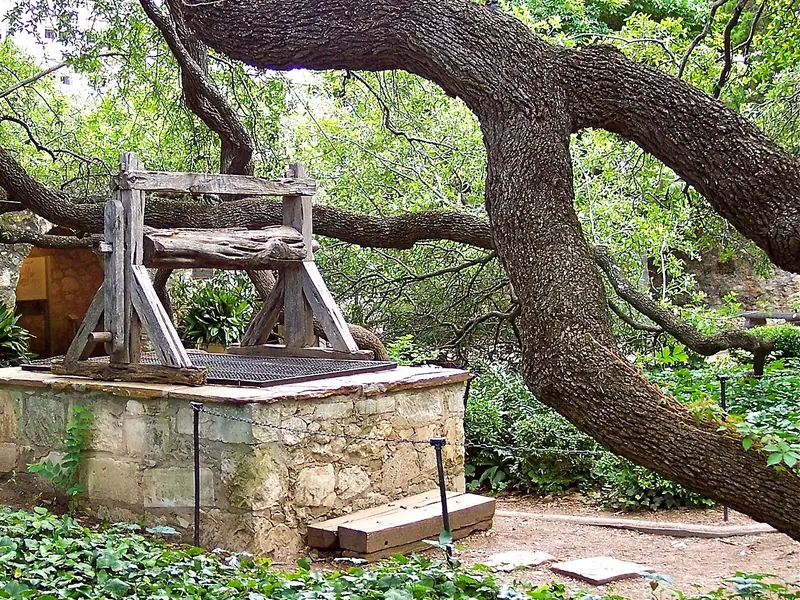
The EAA's well closure page says a plugging permit gives 180 days for the job "to be properly completed by a licensed well contractor," and that an EAA permit is needed before work starts. A capping permit costs $125 and lasts five years. The page, modified June 15, 2026, names no separate effective date for those fees.
When does a well count as abandoned?
Texas A&M AgriLife's guide B-6238 says a well is considered abandoned under state law after 6 consecutive months without use, unless its equipment is in good repair or it has been capped. The EAA uses its own phrase: wells "inactive for six months or more and in deteriorated condition." The AgriLife guide dates from April 2010 and some web addresses in it are out of date.
Within 30 days of plugging, a plugging report goes to TDLR, and to the local groundwater district, according to B-6238. In northern Bexar County's Trinity area, the Trinity Glen Rose district must approve plugging before it begins; see private wells in Bexar County.
How a well is plugged
The EAA describes the method: the well is cleared, filled with gravel to a set depth, and cemented to the surface from the bottom up. The cement-filled casing is then cut off five feet below grade and covered with soil, paving or a structure. Once a well is properly plugged, the EAA says the owner is free of further well-related responsibilities.
| Option | EAA fee | Time limit | Who does the work |
|---|---|---|---|
| Plugging permit | $25 per well | 180 days to complete | licensed well contractor |
| Capping permit | $125 | valid five years | licensed well contractor |
| New well construction (for comparison) | $25 per application | not stated | TDLR-licensed driller |
Why it matters for the aquifer
The EAA abandoned well program counts about 300 confirmed abandoned wells among some 6,000 known Edwards wells, and has records of more than 2,400 plugged. In Bexar County it works with SAWS to find and plug them, and it funds a needs-based closure assistance program; the page gives no dollar amounts or eligibility rules.
The Edwards is a karst aquifer that recharges fast, and TCEQ says surface pollution from runoff or spills "will directly impact the water quality of the aquifer." An open well with broken casing is a direct route. That aquifer supplies close to half of SAWS customers' water, as shown in SAWS's 2025 supply mix.
A working well that stays in use needs yearly testing instead; see testing a private well.
Key facts
- Landowner is responsible for plugging an abandoned well (Texas law, via AgriLife)
- Abandoned: 6 consecutive months unused, unless in good repair or capped
- EAA plugging permit $25 per well, 180 days; capping permit $125, five years
- Licensed well contractor; casing cut five feet below grade
- About 300 confirmed abandoned of 6,000 known Edwards wells
Sources
- Edwards Aquifer Authority — plugging, capping and construction permits (checked Nov. 11, 2026)
- EAA — Abandoned Well Program (checked Nov. 11, 2026)
- AgriLife Extension — B-6238, Plugging Abandoned Water Wells (checked Nov. 11, 2026)
- TCEQ — Edwards Aquifer Protection Program (checked Nov. 11, 2026)